In defence of Red Bull and its footballing exploits
| Photo by Stuart Franklin/Getty Images |
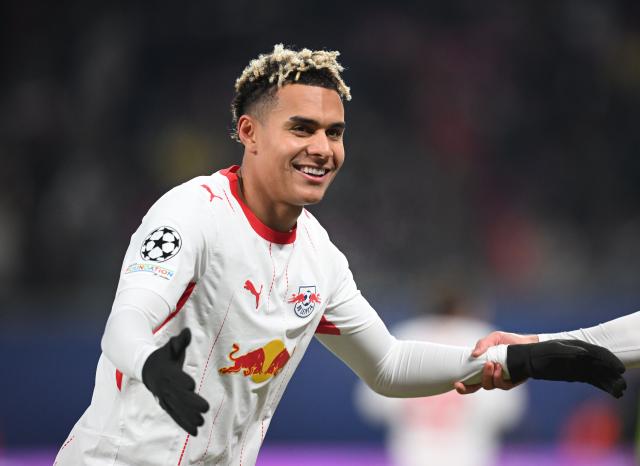
As the Bundesliga’s most controversial member, Die Roten Bullen continue to operate effectively in a hostile environment. Measuring success strictly through silverware is a difficult task, but combing through historic transfer business – in some cases via picturesque Salzburg – tells a rather specific tale.
Defined by exits more so than arrivals, the club appears to provide a platform for talent while consistently living up to the brand’s familiar slogan. Dayot Upamecano, arguably the most adept central defender at this moment in time, departed for Bavaria after four seasons in Leipzig. Joshua Kimmich plied his trade there, firstly in 3. Liga and 2. Bundesliga before eventually coming of age in Bayern colours. One other Munich-based player, the plucky and tenacious Konrad Laimer, spent six campaigns in that divisive shirt prior to his free transfer.
It has to be said that this is the tip of one very profitable iceberg. Just this summer, the notable sale of Yan Diomande to José Mourinho’s star-studded Real Madrid brought in approximately €125 million alone. Combining last year’s fees for Benjamin Šeško and Xavi Simons, both to the Premier League, equals a similar amount. Factoring in the previous departures of Joško Gvardiol, Dominik Szoboszlai and Christopher Nkunku during a single window also amounts to an eye-watering figure. Credit is due on the recruitment side, of course. However, one important question remains: is it all down to coincidence, or an intense top-down philosophy that allows and actively encourages individuals to showcase their true potential?
Extending from Austria to places such as Bragantino and New York, the network Red Bull controls is truly global – one might say a world away from the state of Saxony. In relation to fan ownership and a deeply ingrained ‘50+1’ culture, it may come across as cold or overly commercial. Compare it to some of the financial nightmares at clubs in England and their model suddenly seems rational, progressive and sustainable. Naturally, a willingness to bypass the system that many regard to be the spirit of German football left a lasting impression. Supporters with a deep, long-standing connection to what was once SSV Markranstädt will no doubt feel pangs of betrayal. Also, the same could easily be said for Die Mozartstädter or lovers of ‘soccer’ in the Big Apple.
While yet to claim a domestic crown, Leipzig have made serious progress in other areas. Lifting the DFB-Pokal consecutively is no mean feat, especially when you consider the fact that Bayern Munich only returned to Berlin last season for the first time in just over half a decade. Competing in Europe on a regular basis brings elites to Red Bull Arena and sees the side visit historic stadiums, even under that adjusted crest. Bayer Leverkusen, benefitting from an interesting quirk in UEFA regulations, does not encounter the same issue. Nothing in life is perfect, but it is at least important to notice what makes something positively unique.