Hitzlsperger discusses football's influence on Qatar: "My hope for improvement is limited."
The Monday print edition of Germany's preeminent footballing publication set to hit newsstands across the Bundesrepublik tomorrow contains a special section entitled "Ein Jahr bis Katar" ("One year until Qatar").
Kicker magazine will be examining the connotations of hosting the World Cup in a country with a dubious human rights record. The section, and indeed further coverage to be released by the magazine over the course of the week, contains interviews with former Qatari women's team coach Monika Staab, German head of Transparency International's working sports group Sylvia Schenk, and Bundestag vice president Claudia Roth.
Several other prominent figures are also interviewed. Outgoing VfB Stuttgart head-of-sport Thomas Hitzlsperger is among those who offered his views on next winter's World Cup.
Kicker magazine will be examining the connotations of hosting the World Cup in a country with a dubious human rights record. The section, and indeed further coverage to be released by the magazine over the course of the week, contains interviews with former Qatari women's team coach Monika Staab, German head of Transparency International's working sports group Sylvia Schenk, and Bundestag vice president Claudia Roth.
Several other prominent figures are also interviewed. Outgoing VfB Stuttgart head-of-sport Thomas Hitzlsperger is among those who offered his views on next winter's World Cup.
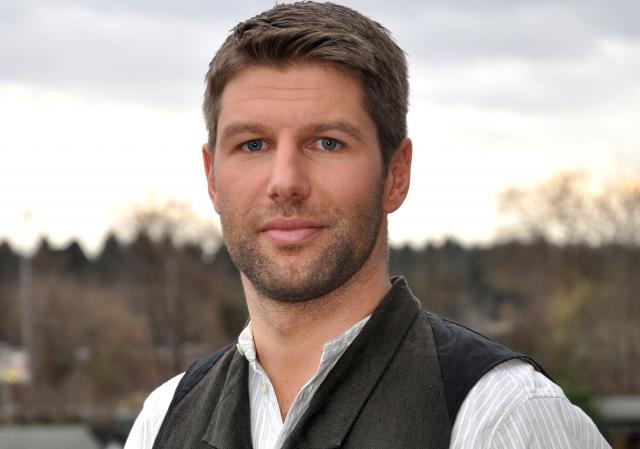
| Thomas Hitzlsperger. | Photo: Dictum Media, Wikimedia Commons, CC BY-SA 3.0 |
The country's most widely-read footballing publication even takes a stand on the issue itself in Monday's print edition, titling its coverage "WM im abseits" ("World Cup, offside"). Many female footballing figures will be interviewed about the fact that Qatar ranks 135th out of 153 countries worldwide in the World Economic Forum's Women's Equality Index. Heads of German labour unions will also speak on the inhumane conditions for migrant workers who have lost their lives building stadiums for the competitions.
The opinion of one of German football's most important trailblazing figures matters as well. Former national team player Thomas Hitzlsperger, easily the most prominent player ever to come out as homosexual, was asked by the magazine what he thought about holding the World Cup in a country where homosexuality is banned.
"One tries to use the old diplomatic idea of change through rapprochement," Hitzlsperger noted, echoing some of the comments made by Bayern executive Karl-Heinz Rummenigge and others.
Hitzlsperger did credit the country with some of the overtures it has made to his community. In at least one respect, Qatar will tolerate more symbolism than UEFA permitted in Munich during this summer's Euros. Rainbow armbands for the team captains were not allowed when the German national team hosted Hungary in the final group stage match of the tournament, citing "the political nature of the statement."
Qatar organizing committee, by contrast, has said that it will permit all such demonstrations.
"That's welcome, because such symbols always trigger discussions," Hitzlsperger said, "If the World Cup takes place in Qatar, FIFA must face up to these discussions. So must Qatar."
When it came to his hopes for more meaningful progress, however, the 39-year-old expressed some cynicism about how far the work of symbols could carry.
"My hope for improvement is limited," Hitzlsperger noted, "It won't be difficult for FIFA to broadcast four weeks' worth of pictures that give the impression of progress without anything fundamentally changing in the country in the coming years. I don't believe in sustainable improvement through the World Cup alone."
"Russia also didn't come more democratic and liberal after the last World Cup," Hitzlsperger felt compelled to add, "Let's just be brutally honest about it: The Arab world is an important market with powerful sponsors. They made the best bid, so we'll play there."
