Why some U.S. sportsbook bonuses look generous until the fine print kicks in
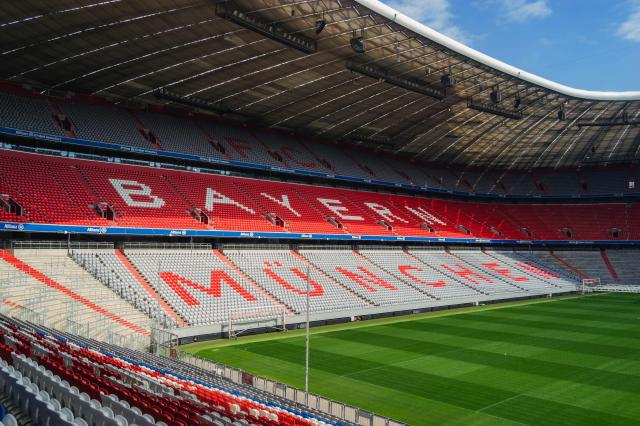
| Photo: Pexels.com |
Advertisement
When you first look at it a sportsbook bonus can look big, but, the same way a scoreline can look closer than the game really was, there may be more to it than meets the eye. Bayern beat Leverkusen 2–0, but anyone who watched it knows that gap was there long before the second goal. Sportsbook offers work like that. The headline number pulls you in, but the real story sits in the details once you slow down and look at it properly.
Early Offers Look Straightforward on the Surface
The first thing you see is the headline. Bet $5, get $250. Sometimes it is $300. It reads clean, simple, and easy to follow. Place a small bet, land the result, and a much bigger number comes back your way.
That is the surface. Underneath, the structure is a lot more restrictive. The first bet usually has to win before anything else happens. The bonus does not arrive as cash. It shows up as separate bets, often broken into smaller pieces, and those have to be used within a short window. Seven days is common, sometimes less.
That changes the feel of the offer straight away. The number stays the same, but the path to using it becomes narrower. What looked like a quick return starts to look more like a sequence you have to get right.
Conditions Determine Real Value
Once you get past the headline, the conditions take over. Minimum odds come into play. A line around -500 is common, which means short-priced favourites do not always qualify. That pushes bets into a certain range whether you planned it that way or not.
Time pressure adds another layer. A 168-hour window sounds generous, but it closes fast once bets are split into smaller units. Each one has to be placed, settled, and turned into something usable before the clock runs out. Miss that window, and the remaining value disappears.
The pattern is familiar if you follow football closely. Bayern’s 2–0 win over Leverkusen looks routine in the final score, but the control was there long before the second goal went in. The structure of the game told the real story, not just the number at full time. Bonus terms work the same way.
Comparing Offers Changes the Picture
Looking at one offer on its own does not tell you much. The number looks strong, the entry point looks low, and that is usually where the thinking stops. Put a few of them side by side, and the differences start to show.
That is where a proper comparison helps. this rank by https://www.sportsbookreview.com/bonuses/ brings those offers into one place, lining them up so the conditions sit next to each other instead of being buried in separate pages. The headline numbers stay similar, but the gaps open up once you look at how each one is structured.
Some split bonuses into smaller bets. Some require a win before anything triggers. Others stretch usage across several days. None of that stands out when you look at one offer in isolation. It becomes obvious when you compare them directly.
There is a reason these offers are built this way. The market is large and competitive, and every operator is trying to bring new players in while keeping control of how money moves.
Global sports betting revenue reached $100.9 billion in 2024 and is projected to hit $187.39 billion by 2030. The United States alone accounted for $17.94 billion in 2024, with forecasts pointing to $33.18 billion by 2030. Online betting makes up close to 69.7% of that activity, with mobile and live betting driving most of the growth.
Those numbers explain the structure. A large headline draws attention in a crowded market, while the conditions underneath keep the system controlled.
Football Outcomes Show the Same Pattern
Football gives you the same lesson every week. A scoreline tells part of the story, but not all of it. Injuries, timing, and control change how a match plays out long before the final whistle.
Serge Gnabry missing another major tournament through injury is a reminder of how quickly things can turn. Plans change, expectations drop, and the outcome looks different once the full picture is clear.
At the other end, Bayern pushing toward a cup final shows what happens when everything lines up. A 2–0 win reads clean, but the control and pressure behind it tell you more about the game than the score itself.
The same idea carries across: what you see first is not always what decides the outcome.
Where the Value Actually Sits
The headline number is the hook. It does its job well. The real value sits in whether the conditions fit how you actually place bets.
A win requirement changes risk straight away. Short expiry windows force decisions. Split bonuses mean each bet has to land on its own terms. None of that shows up in the first line of the offer, but it determines the outcome.
Once you look at it that way, the gap between what is advertised and what is usable becomes clearer. The number stays the same. The path to getting there is what decides whether it works for you.
