Why do odds change? The key influences behind betting markets
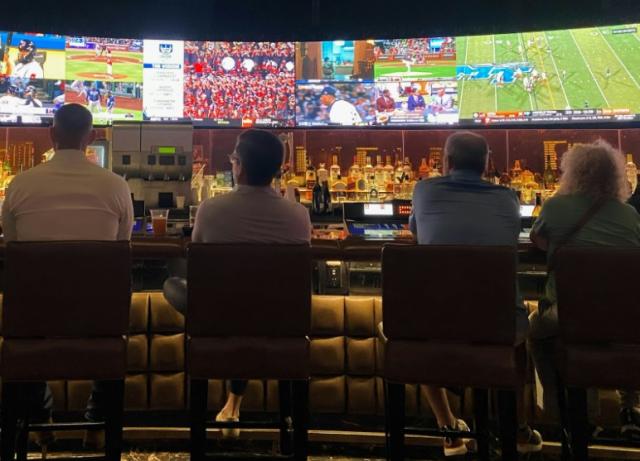
| Photo by Amit Lahav on Unsplash |
Advertisement
People tend to notice the odds more once they’ve placed something. Before that, they’re just numbers. After that, they start to move, and it gets personal. You check back a few hours later, and it’s shifted by half a point, sometimes more. The energy tends to shift when these adjustments occur. Sometimes, if you're not adept with betting, you might not understand whether that's good or bad, but just that it moved.
In Australia, these moves are more pronounced due to smaller platforms, newer markets, and fewer people in between. This means that in the latest Aussie sites, they move even quicker than in other regions. The odds change because someone placed something, or because the algorithm thought someone might.
You open it back up later, and the same bet’s sitting at a different price. Nothing’s happened in the match yet, but something somewhere pushed it along. It could be a rumour, a tweet, a weather update, or just that enough people backed the same thing at once. It doesn’t need to be dramatic to tip the scale.
Sometimes you don’t see it happen in real time. You just come back and it’s different. Other times it shifts while you’re still hovering over the button. You see 19/10 flicker to 7/4 right in front of you. Some people take that as a sign to lock it in. Others think they’ve missed their window and move on. Most of the time, it depends on what mood you’re in.
The odds aren’t set in stone, and they’re never meant to be. They open one way and move with everything else. Team news, crowd talk, injuries, too much money going on one side, all feed into it. You can try to stay ahead of it, but even then, you’re usually reacting to something that’s already happened. The first shift’s invisible. You only notice it by the time the second one rolls in.
Some people chase early value while others wait till the dust settles, but either way, there’s no fixed right time to get in. You can catch a great price before anyone notices, or you can wait for confirmation and pay for it in odds. The early punters risk getting it wrong, and the late ones risk missing the price, that’s just how it is.
A lot of changes happen because of team lists. Someone pulls out late or makes a surprise return, and the whole thing shifts. It also doesn’t even have to be a big name. Sometimes it’s just a role player whose absence messes with the balance, but the bottom line is the market reacts fast. Not always within seconds, but not far off. If you're watching, you can catch it before it finishes adjusting, but if not, you log in and it’s already gone.
The weather does it too, especially with cricket or racing or golf. A forecast change is enough to rattle the lines, and you start seeing odds drift as soon as the radar updates. If there's a bit of rain expected, or less wind than they thought, suddenly one side’s got the edge. It’s not just about favourites and underdogs anymore. It’s about who’s better in a crosswind or who bowls first.
In other instances, it’s not about the game at all but the volume. A wave of bets comes in, and it doesn’t even matter what they’re betting on, the market will shift to handle it. It could be a wave of casual multis going through at once. It could be someone with a bigger stake nudging the line. You don’t know who’s on the other end of it, you just know it changed.
Traders are trying to balance risk. It’s not about making the odds look pretty, but rather it’s about not letting too much money sit on one outcome. So when everyone’s backing the same side, they move the number until it slows down. That’s what most price shifts come down to. Not some insider tip, just trying to even things out before it tilts too far.
Some shifts feel random. For example, you might be watching a market that’s been sitting steady for a day, and then something bumps with no news, no announcement, but something clearly happened. Maybe sharp money came in. It could be that an alert triggered something, you don’t always find out what it was, but you just see the effect, and usually by then, it’s already priced in.
You start to notice these things more once you’ve been watching for a while. You learn the pace of different sports since some move faster than others. AFL settles in early and doesn’t shift much unless someone gets injured. NRL can be jumpier, especially with team changes. Tennis odds bounce around depending on warm-up form or court surface. There’s no one rule, but just patterns you notice the longer you look.
You can follow the shifts if you want, some people do. They track everything. Others just place their bet and move on. Either way, the odds keep moving whether you’re watching or not.
