How the Bundesliga is using YouTube to find a new audience in 2025/26
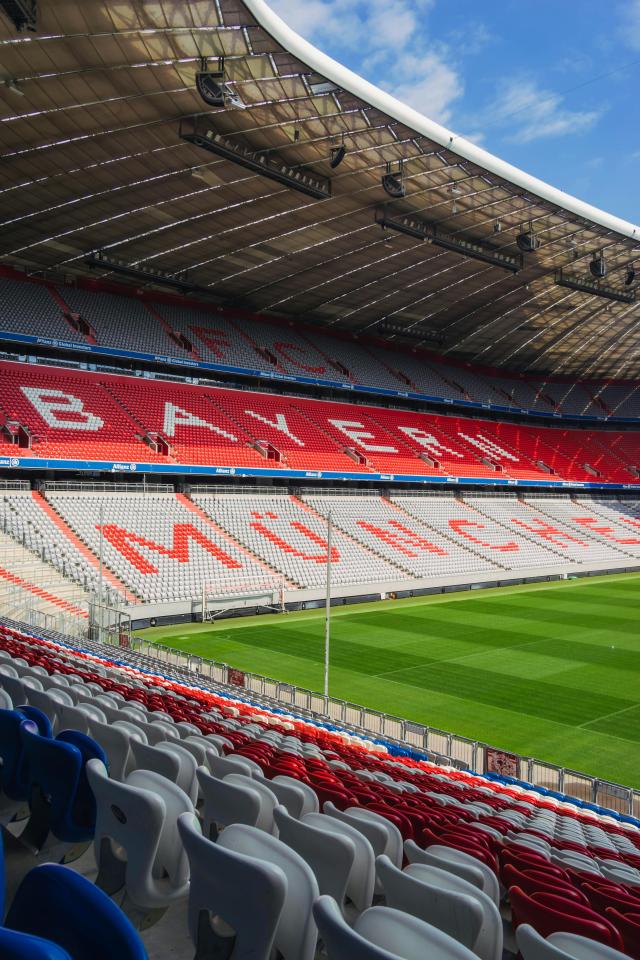
| Photo: pexels.com |
Advertisement
Football has always been about who gets to see it. Generations grew up crowding around the family television for the Saturday afternoon fixtures, waiting for the commentator’s voice to lift with the sound of the ball hitting the back of the net. But by 2025, the whole arrangement looks very different. Rights aren’t only tied up with big broadcasters any more. Some of the most valuable matches in German football are now sitting freely on YouTube, watched in living rooms, on phones, and, more often than not, accompanied by the commentary of someone who made their name streaming from a spare bedroom.
The Bundesliga has turned to platforms where audiences already are, rather than expecting them to keep renewing cable subscriptions. It’s not the only option online, of course. You can spend an evening scrolling, watching films, or even playing online blackjack if you want to mix cards with convenience. But the decision to hand live football rights to YouTube creators signals a shift that’s impossible to ignore. It’s a league putting faith in the fact that people don’t just want to watch a match — they want to feel as if they’re part of something bigger, live and unfiltered.
Friday Nights Look Different
For years, Sky had the monopoly in the United Kingdom, showing the Bundesliga with all the polish of big-studio production. That deal has ended. Now, in a move that will raise eyebrows across Europe, the Bundesliga has given live Friday night rights to content creators. Not highlights, not second-hand clips, but the real thing. Mark Goldbridge’s That’s Football channel, famous for its watch-alongs, will show matches officially this season. Alongside it, The Overlap, with its mix of pundits and fans, will stream games too. Both are being treated as serious broadcasters, and that’s new.
The arrangement runs for the next two seasons. Twenty Friday games will be broadcast this way, free-to-air. The league’s own YouTube channel is also stepping in, showing every Friday fixture from both the top flight and the 2. Bundesliga. If you think that’s small news, consider this: it’s the first time a major European league has put live matches directly into the hands of content creators. In broadcasting terms, that’s closer to the moon landing than just another scheduling shuffle.
The BBC Joins the Party
It isn’t just YouTube personalities carrying the weight. The BBC will also show Friday games, streaming them on its website and iPlayer. That adds an air of mainstream legitimacy to the whole thing, while still keeping the action available for free. For a sport that has been increasingly chopped up into expensive packages, it feels like a rare piece of generosity. The first test came straight away: Bayern Munich against RB Leipzig at the Allianz Arena, the champions facing one of their most serious challengers, all available at the click of a link.
The choice to make matches free also undercuts the sense that football is only for those who can pay. It’s a political gesture as much as a commercial one. When people complain about being priced out of the game, this is the counterweight: an open invite to tune in, no matter your budget.
The Shift Away from Tradition
Of course, not everything has been pulled from traditional broadcasters. Sky will still show the Saturday evening matches, including the heavyweight clashes between Bayern Munich and Borussia Dortmund. Amazon has taken the Sunday fixtures for a pay-per-view audience. But what matters is that the Bundesliga has broken the seal. By inviting content creators into the fold, the league has shown that the old way isn’t untouchable.
It mirrors a wider trend. La Liga made headlines when it gave a highlights package to a British podcast group in August 2025. The Bundesliga’s move goes further. This isn’t just highlights, it’s live rights. The idea that someone who built a following by shouting at a webcam could now sit alongside Sky in the list of official broadcasters is both surreal and entirely modern. It’s the football equivalent of The Office going from a small BBC2 sitcom to dominating American primetime. Once it works, nobody questions how odd it seemed at the start.
What This Means for Fans
Fans are getting the better end of the deal. Instead of paying for several subscriptions, they can watch games free on platforms they already use. That changes the shape of the audience. It isn’t only hardcore Bundesliga devotees tuning in, but casual fans who stumble across a live stream. If you’re up late, bored of scrolling, and click into a free Bayern match on YouTube, you’re suddenly part of an event that might have passed you by under the old system.
Looking Ahead
The experiment begins this season. Every Friday night game will be a test of how far the new model can go. Will fans embrace it? Will it draw in new viewers from outside Germany? And perhaps most importantly, will it make money in ways that justify the risk? The answers won’t come overnight, but for now, the Bundesliga looks daring in a way others don’t.
For the average fan, though, the maths is simple. More football, more access, less hassle. And a chance to feel like you’re in the thick of it without needing a subscription stacked higher than your rent. In the end, that’s the promise: football made easier, modernised without losing what makes it addictive. A new chapter, written live, streamed for anyone who cares to join.
